
The first cold week in Maryland arrives, you switch on the furnace for heating, and a burning smell drifts through the house.
Is a furnace that smells like burning dangerous?
A light dusty smell for the first few hours is normal. A strong, lasting, or chemical smell is not, and it means you should shut the furnace off and call.
When Your Furnace Has a Burning Smell
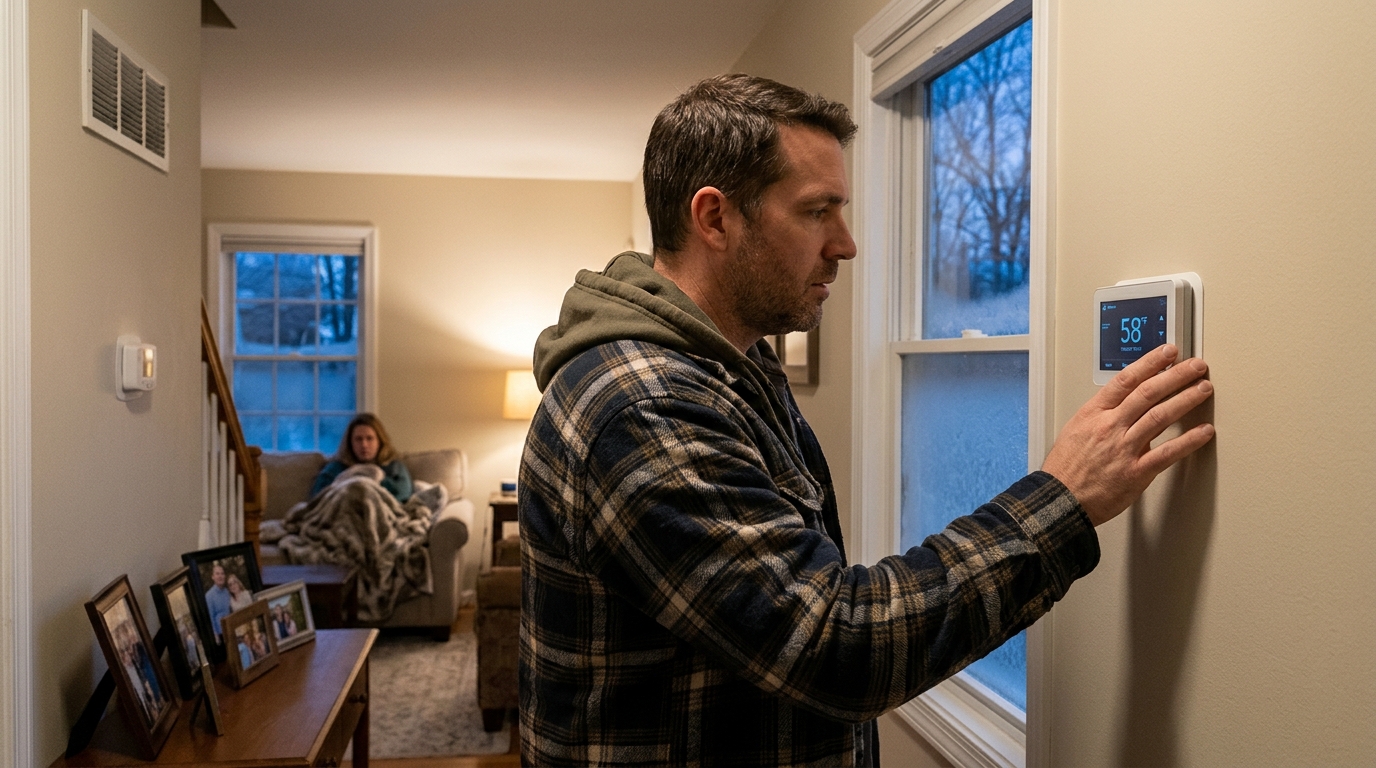
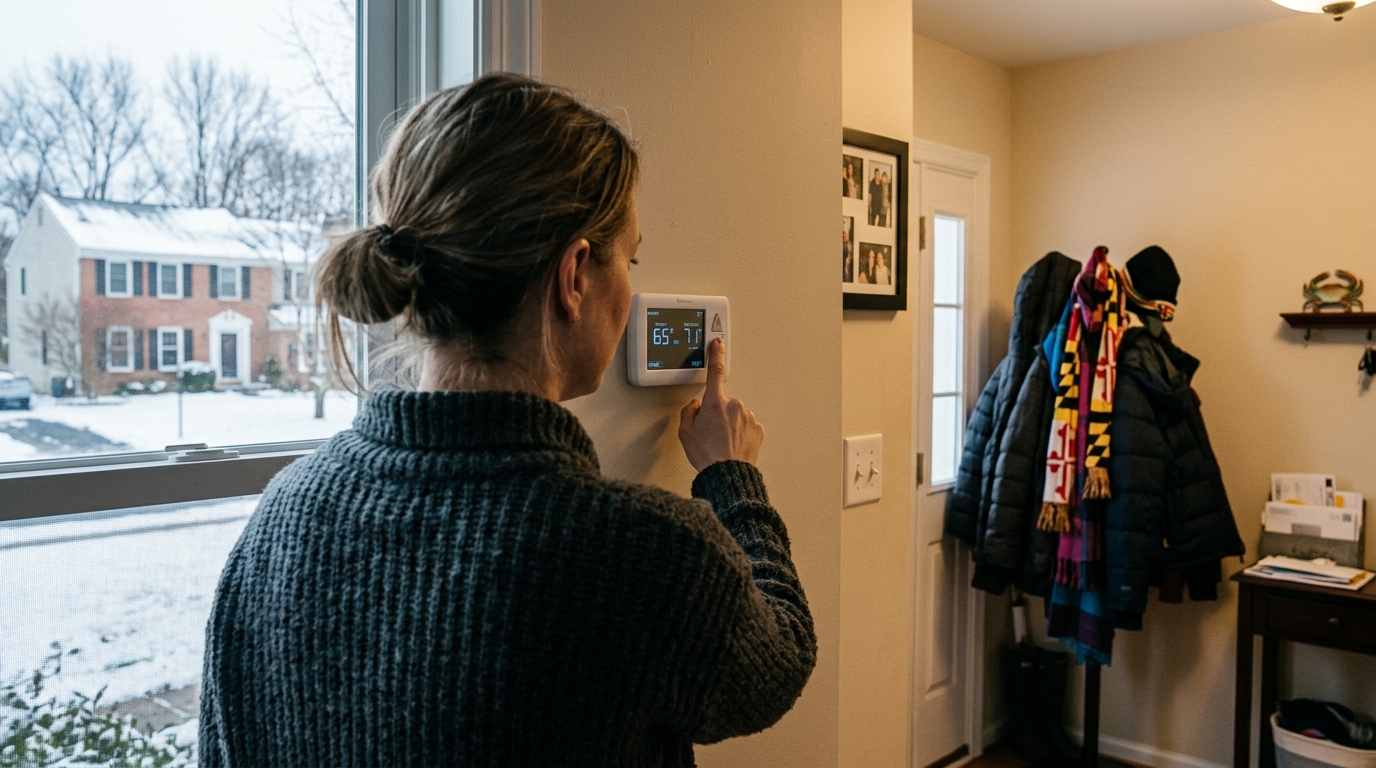
It's the first chilly morning of the season. You turn up the thermostat, and soon the house smells scorched.
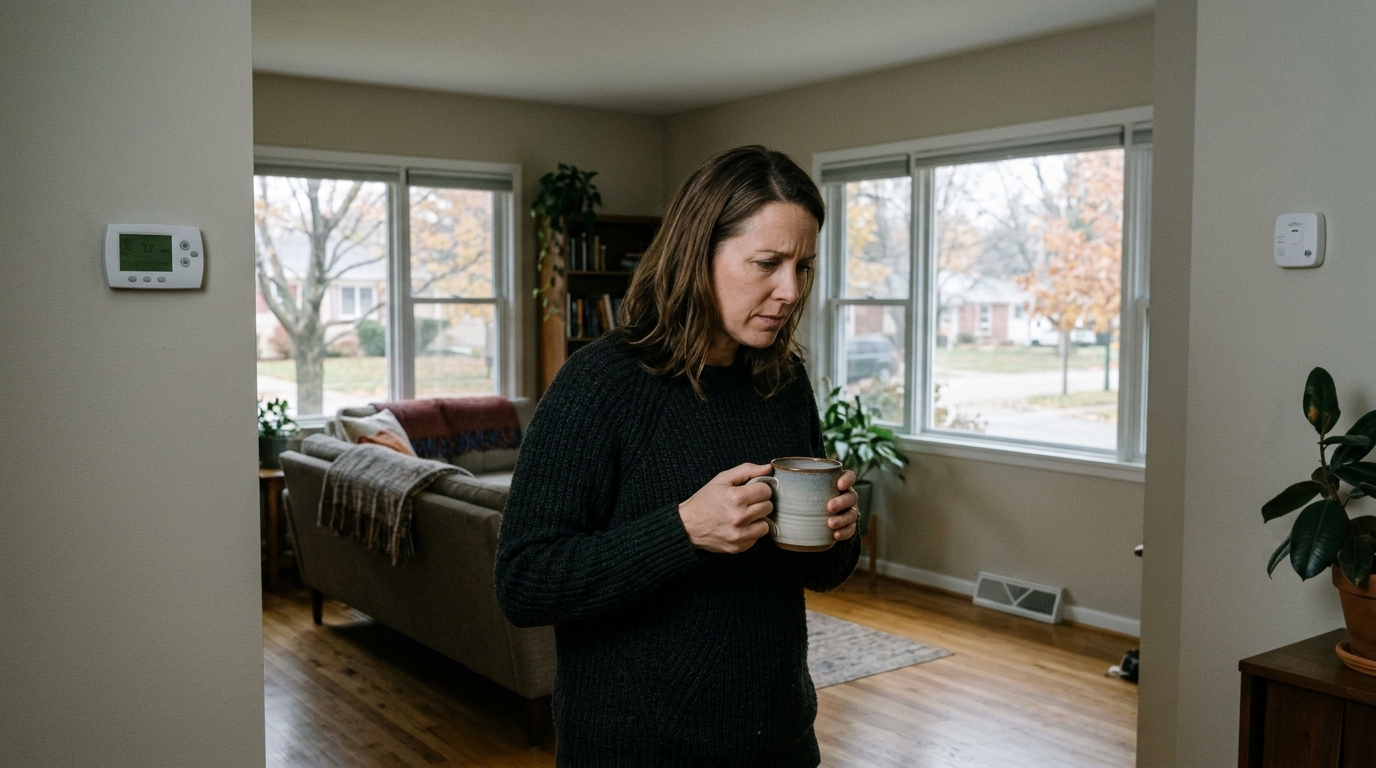
Your mind races. Is something on fire? Is the family safe? Should you run the heat at all?
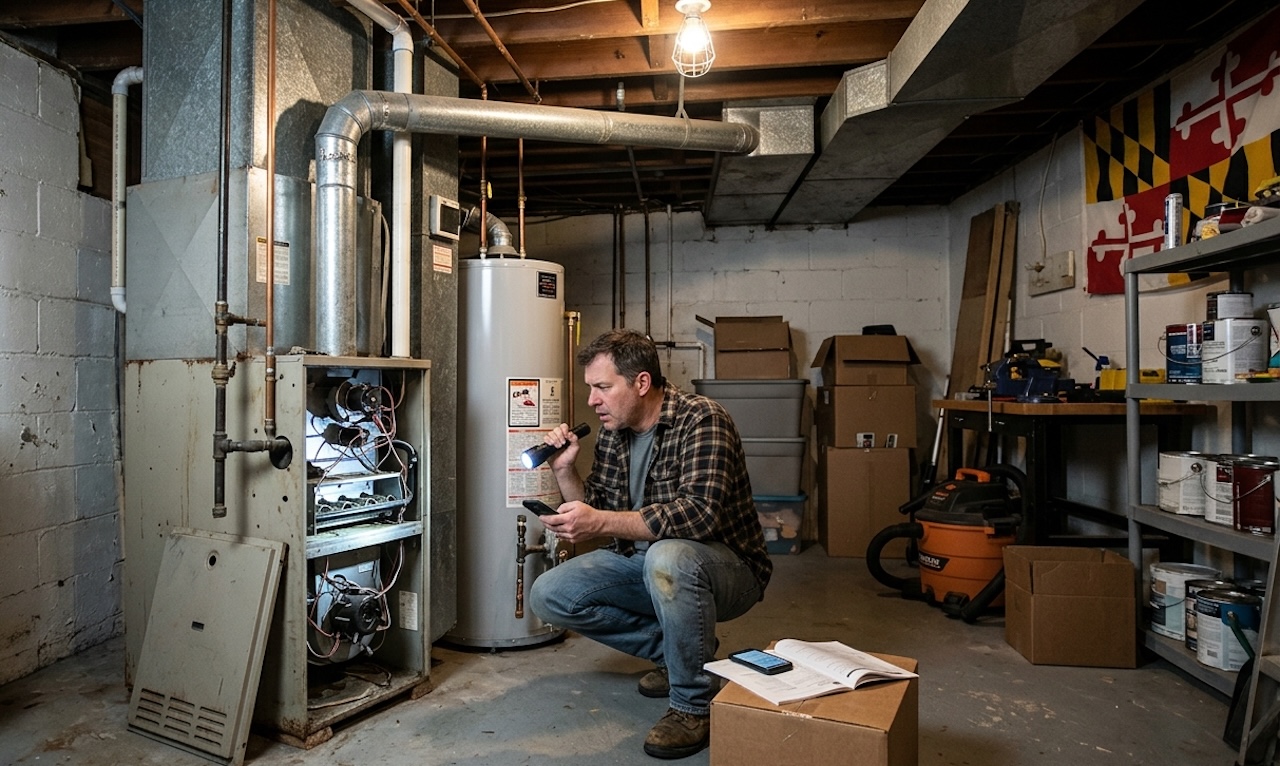
What's causing it? Most often it's dust that settled on the heat exchanger and burners over the warm months. Other causes are more serious: an overheating blower motor, a failing part, or a blocked air filter.
Ignoring a strong burning smell puts your home at risk. Overheated parts can fail, and a furnace problem can also release carbon monoxide.
In this article, we'll explore which smells are normal and which are warning signs. You'll also learn how to find help.
The Normal Burning Smell From a Furnace
Dust is the most common reason a furnace smells like burning. It collects over spring and summer while the system sits idle.
When the furnace fires up, that dust burns off. You'll notice a dry, dusty, slightly warm smell.
Here's how to tell a normal smell from a problem:
- Normal: A light dusty odor that fades within a few hours of running.
- Problem: A smell that lasts more than a day or gets stronger over time.
- Problem: A sharp chemical, hot metal, or burning plastic odor.
Watch for smoke, too. Visible smoke from the furnace or vents is never normal.
Trust your nose. You know your home's usual smells better than anyone, so an odd one deserves attention.
HVAC Filters Cause Burning Smells Too
A clogged filter forces your furnace to work harder. Restricted airflow heats the system, and dust baked onto hot parts creates a burning smell.
ENERGY STAR recommends checking your furnace air filter once a month. It also notes that a dirty filter can damage equipment and lead to early failure.
Replace your filter before you run the heat all season. This five-minute task is the easiest fix on the list.
Pick a filter that fits your furnace's exact size. A loose or wrong-size filter lets dust slip past and bake onto hot parts.
What Different Burning Smells in Your Furnace Mean
Not every burning smell has the same cause. Use this guide to narrow it down.
- Dusty or dry: Normal startup dust. It should fade within hours.
- Hot metal or electrical: A blower motor, wiring or a failing part may be overheating.
- Burning plastic or rubber: Something may have fallen near the furnace, or a belt or part is failing.
- Rotten egg odor: This is a gas leak warning. Leave the house and call your gas utility from outside.
If you smell anything on this list besides plain dust, shut the furnace off at the switch. Then call a technician.
The Carbon Monoxide Safety Point
Carbon monoxide (CO) has no smell, so a burning odor will not warn you about it. That's why detectors matter.
The U.S. Consumer Product Safety Commission calls CO the "Invisible Killer." It reports more than 200 accidental, non-fire CO deaths yearly from consumer products.
The CPSC recommends CO alarms on every level of your home and outside sleeping areas. Know the symptoms: headache, dizziness, weakness, nausea, and confusion.
If you suspect CO poisoning, get outside to fresh air immediately. Then call 911.
Test Your CO Detectors When the Clocks Change
Daylight saving time ended on November 1. The Centers for Disease Control and Prevention advises checking CO detector batteries whenever you change your clocks.
Haven't done it yet? Test every detector today. Press the test button on each one. Replace the batteries, and replace any detector that is more than five years old, per the CDC.
The CDC also advises having your heating system serviced by a qualified technician every year. A furnace tune-up catches cracked parts and venting problems early. It's the best protection for a home that heats all winter.
When to Call for Furnace Repair
Call right away if the smell is strong, chemical, or lasting. Also call if you see smoke, hear banging, or your CO detector sounds.
Shut off the furnace first. If a CO alarm sounds or anyone feels sick, leave the house and call 911.
Don't restart the furnace until a technician has inspected it. Guessing isn't worth the risk.
At Great Mills Heating & AC, we diagnose and repair furnaces across St. Mary's, Charles and Calvert counties. Learn what's involved on our furnace repair page.
Want cleaner, healthier air all winter? Explore our indoor air quality services.
Breathe Easy All Winter in Southern Maryland
In conclusion: a light dusty smell at startup is normal. A strong, lasting or chemical smell is a reason to shut the furnace off and call.
Test your CO detectors, change your filter, and schedule a yearly furnace check. Those three steps protect your family and your heating system.
Great Mills Heating & AC helps homeowners in Lexington Park, Leonardtown, California, Hollywood and Waldorf stay warm and safe.
Smelling something that worries you? Call Great Mills Heating & AC at (301) 381-2679 or reach the team through the contact page.
Frequently Asked Questions
Is it normal for a furnace to smell like burning at first?
Yes, a light dusty smell is normal when you first run the heat each season. It should fade within a few hours.
Why does my furnace smell like burning after a day or more?
A lasting burning smell points to a clogged filter, an overheating part, or something near the furnace. Shut it off and call a technician.
Can a furnace leak carbon monoxide?
Yes, a faulty furnace can release carbon monoxide, which has no smell. Install CO alarms on every level, test them when the clocks change, and schedule yearly service.